
Inside this Article: How Much Does Termite Treatment Cost in Phoenix?

General range: Phoenix termite treatment may range from about $3 to $17 per linear foot, depending on the treatment method and infestation.

Cost factors: Termite species, infestation severity, treatment method, accessibility, and treatment area can all affect your quote.

Timing: Early treatment may limit the spread of the infestation and reduce the risk of more extensive damage.

Termite treatment cost in Phoenix depends on the type of termite, extent of the infestation, and treatment required. Understanding these factors helps you compare options and address the problem before damage spreads.

Sage Solutions Pest Control is a local, family-owned and woman-operated company with more than 25 years of Arizona pest control experience. We serve the entire Phoenix Metro Area, offering customized treatment plans for your unique situation.

Below, we’ll break down treatment costs, pricing factors, and the options available for Phoenix homes.

Book A Free In-Home Pest Inspection

Contact us online or call us at 623-401-SAGE to schedule a comprehensive in-home inspection. We’ll create a custom treatment plan that eliminates pests on contact, addresses nests, and seals problem pests out for good. 

What Termite Treatment Costs in Phoenix, AZ

How much does a termite treatment cost in Phoenix? Your final cost depends on the infestation, treatment area, and method required.

Treatment Type General Total Cost Range* Best For
Liquid barrier treatment $500–$2,500 Subterranean termites around the foundation
Bait stations $800–$3,000 Subterranean termite control and monitoring
Drywood termite treatment $200–$2,500+ Localized drywood termite activity

*These are general Arizona industry ranges, not Sage Solutions pricing. Actual costs depend on the property, infestation, treatment area, and method used.

Why Phoenix Termite Treatment Is Priced by Linear Foot

Linear footage measures the length of the area that needs treatment, such as sections along your home’s foundation, rather than its total living area. A longer treatment area requires more product, drilling, labor, or bait stations, while infestation severity and treatment method also affect the final price.

One-Time Treatment vs. Ongoing Protection Plans

A one-time treatment targets an active termite infestation, while ongoing protection uses monitoring and bait stations to watch for future activity. The best approach depends on the termites present, the extent of the infestation, and your home’s ongoing risk.

Concerned Termites Might Be Invading Your Home?

Call us immediately, we can help. We’ll do a thorough inspection to identify whether you’re truly on the verge of an infestation or if it was a fluke. There’s no pressure to book, we’re just happy to help.

Termite Types in Phoenix and Why It Matters for Cost

The type of termite in your home affects both the treatment method and cost. Phoenix homeowners are most likely to encounter subterranean termites, but drywood and dampwood termites require different approaches.

Subterranean Termites — The Primary Phoenix Threat

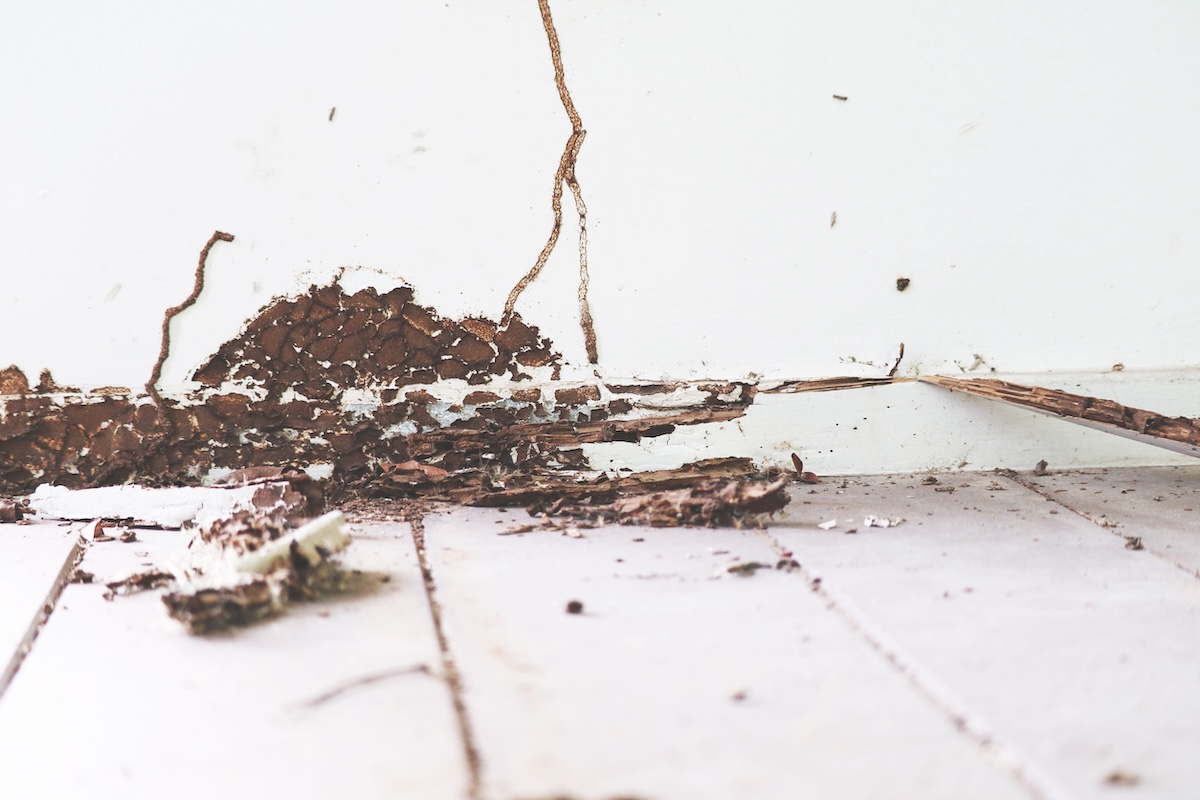
Desert subterranean termites (Heterotermes aureus) are the most common and destructive termites in the Phoenix area. They live underground and build mud tubes to reach wood, so subterranean termite treatment typically uses liquid soil treatments or bait stations rather than fumigation. These termites can remain active year-round in Arizona, so early treatment is important.

Drywood Termites — Higher Treatment Cost, Less Common

Drywood termites live inside wood without needing contact with the soil, which can make infestations harder to locate and access. Drywood termite treatment involves localized treatments, heat, or fumigation for severe whole-structure infestations. As a result, drywood termite treatment cost and termite heat treatment cost can vary considerably based on the size and location of the infestation.

Dampwood Termites — Rarely a Phoenix Problem
Dampwood termites need moist wood to survive, making them less suited to Phoenix’s dry climate. When they are found, you need to correct excess moisture from leaks, drainage problems, or other sources to address the conditions that attracted them.
Subterranean termites in Phoenix require professional treatment

What Drives the Cost of Termite Treatment

Your termite infestation treatment cost depends on the size of the treatment area, treatment method, and extent of the infestation. A professional inspection determines which approach your home needs and what it will cost.

1. Size and Perimeter of the Structure

Larger treatment areas generally require more product and labor, which increases the total cost. The home’s layout and length of the foundation areas requiring treatment may also affect the quote.

2. Treatment Method Selected

Termite liquid treatment cost depends partly on how much of the foundation is affected and whether technicians need to drill through concrete to reach the soil below. Bait stations require placement and ongoing monitoring, while heat treatment for drywood termites involves different equipment and labor. Drilling is part of certain liquid treatments, so termite drilling treatment cost is typically not a separate treatment category.

3. Severity and Accessibility of the Infestation

A widespread infestation may require more extensive treatment than termite activity caught early. Slab foundations, difficult access points, and other property conditions can also increase labor, making an early professional inspection especially valuable.

Don't Let Termites Eat Away At Your Home Value

Call Us Now: 623-401-SAGE

Do You Need Termite Fumigation in Phoenix?

Most Phoenix homes with subterranean termites do not need termite fumigation. Liquid treatments and bait stations address these termites without whole-home termite tenting.

When Is Fumigation Necessary?

Fumigation may be used when drywood termites have spread through multiple hard-to-reach areas. This is less common in Phoenix, where subterranean termites are the primary threat.

Why Non-Tenting Treatments Work

Subterranean termites live in the soil, making liquid treatments and bait stations effective ways to target their activity. These treatments address termites without tenting the entire home or requiring homeowners to leave during fumigation.

Download a FREE Home Prep Checklist

Get a complete list of how to prepare your home for professional mosquito control services.

Why DIY Termite Treatment Is a Costly Mistake

Learning how to get rid of termites may lead you down a do-it-yourself path, but termites can damage framing, joists, and other structural wood. Professional treatment addresses the infestation before the damage spreads.

OTC Products May Miss the Colony

Sprays, foams, and other store-bought products may kill visible termites without reaching a subterranean colony in the soil. If the colony remains active, termites can continue feeding on the home.

The Wrong Treatment May Make the Problem Worse

Subterranean and drywood termites require different treatment methods. A professional inspection identifies the termite type and extent of activity, so the technician can select the appropriate treatment.

Termite Damage May Not Be Covered

Standard homeowners insurance generally does not cover termite damage because insurers typically consider it preventable maintenance-related damage. That can leave homeowners responsible for both repairs and treatment.

CONTACT US

Book Your Free Inspection

Contact Sage Solutions today to schedule your local inspection and receive pest protection designed specifically for your community’s environmental conditions and seasonal pest pressures.

Phoenix Termite Treatment FAQs

What is the average termite treatment cost in Phoenix, AZ?

Termite treatment costs typically range from $3 to $17 per linear foot in Arizona. The final cost depends on the treatment area, termite type, infestation severity, and treatment method.

What is the cost of termite treatment based on?

Your quote depends on the extent of termite activity, treatment method, accessibility, and size of the area requiring treatment. A free in-home inspection determines the recommended treatment and price.

Do I need fumigation or tenting for termites in Phoenix?

You usually do not need fumigation or tenting for subterranean termites, the primary termite threat in Phoenix. You can typically treat these termites with liquid treatments or bait stations without tenting the home.

How long does termite treatment last?

Treatment longevity depends on the method, product, property conditions, and ongoing termite activity. Bait station systems also require continued monitoring to maintain protection.

Can I treat termites myself to save money?

DIY products may kill visible termites without addressing the full infestation. Professional treatment identifies the termite species and targets the areas where activity originates.

Does Sage Solutions treat all types of termites in Phoenix?

Sage Solutions Pest Control treats subterranean and drywood termites but does not provide fumigation/tenting or WDIIR services. The recommended treatment depends on the termite species and infestation.