
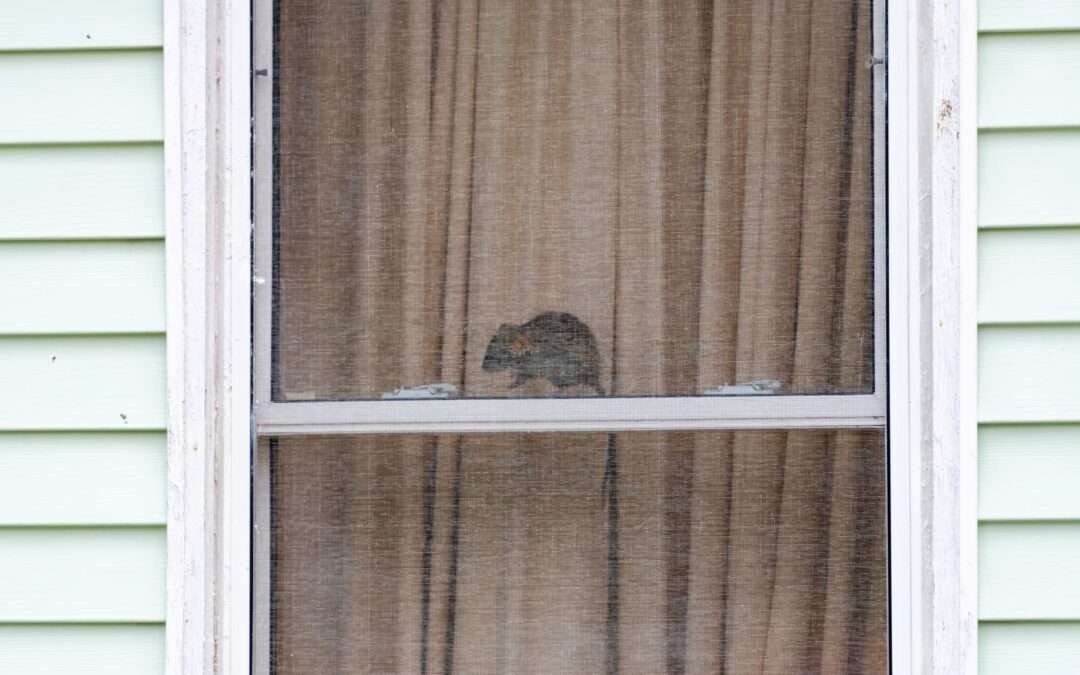
Rising Rodent Pressures in the Valley
According to the U.S. Census Bureau, nearly 15 million American homes reported rodent sightings last year, with Phoenix seeing numbers above the national average. As a family-owned business, Sage Solutions Pest Control has more than 25 years serving our Phoenix community and understands the urgency of keeping homes rodent-free, especially as rodent pressures rise.
Our goal is to help you protect your home and loved ones from rodent risks with our proven local expertise and reliable service.
Book A Free Rodent Inspection
Contact us online or call us at 623-401-SAGE to schedule a comprehensive rodent inspection. We’ll create a custom treatment plan that eliminates current infestations, addresses nests head-on, and seals them out for good.
When Rodents Are Most Active in Phoenix
Seasonal Patterns in Our Arizona Desert Climate
Additionally, the Valley’s annual monsoon season (June to September) can drive rodents indoors. Heavy rains often flood natural burrows and habitats, forcing pests to find drier ground—frequently inside homes, garages, or outbuildings. Once a rodent finds a way inside, they quickly establish nests and begin reproducing. Even after the rains stop and outdoor conditions improve, established rodent populations are unlikely to leave on their own.
Daily Rodent Habits and Triggers
Rodents are primarily nocturnal, so their activity peaks at night. Homeowners may hear scratching, squeaking, or scurrying in attics or behind walls after dark. Rodent activity can surge immediately after a weather event, like a sudden cold snap or heavy monsoon storm, as these environmental changes push them urgently toward dry, sheltered areas.
Common Rodent Species in the Phoenix Area (With Pictures)

Pack Rat (White-Throated Woodrat)
Pack rats are major nuisances in Arizona. They are easily recognized by the messy piles of sticks, cactus joints, and even shiny objects they collect to build their nests. Outdoors, pack rats favor areas like cactus beds and yard debris piles, but they can quickly move inside when seeking shelter. Their constant chewing on electrical wiring is a significant fire risk—especially in attics and even inside vehicles.

Roof Rat (aka Black Rats)
The roof rat is slender, agile, and an expert climber. Its tail is longer than its head and body combined, helping it balance on overhead lines and tree branches. Roof rats typically nest in palm trees, dense citrus groves, or the upper levels of homes. They are notorious for damaging fruit crops and gnawing wires, particularly in attics and along rooflines.
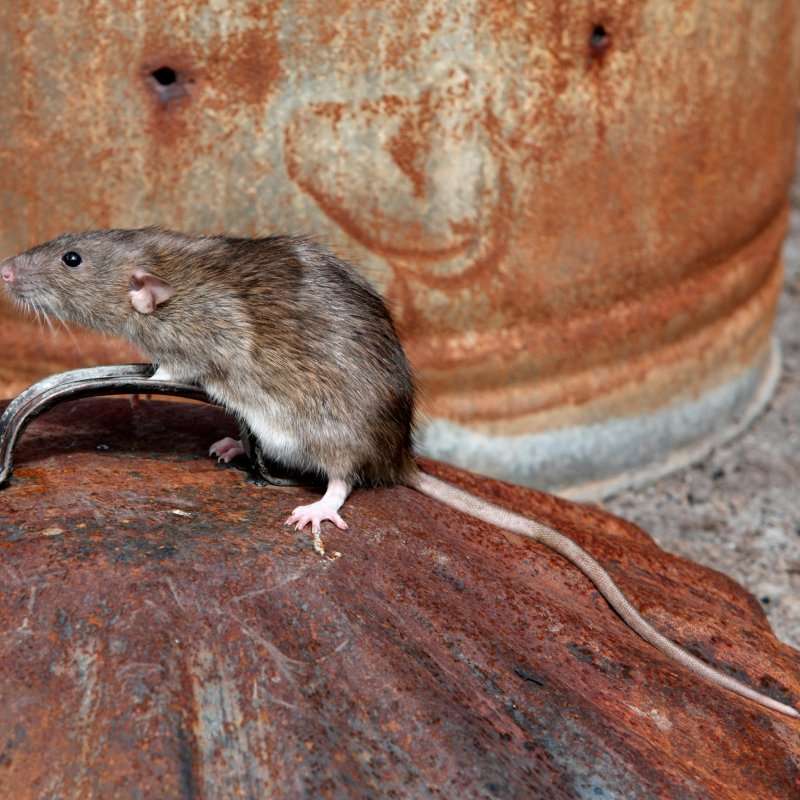
Norway Rat (aka Brown Rats or Sewer Rats)
Norway rats are stocky rodents with blunt noses and short tails that prefer ground‑level nesting in burrows beneath foundations, debris, or dense vegetation. Highly destructive, they chew through wood, plastic, and even concrete, and their tunneling can damage patios and building foundations. Primarily nocturnal, they thrive in sewers and lower building levels, often living close to people. Their burrows cluster along foundations and rubbish piles, and they typically travel within a range of 100 to 150 feet, rarely exceeding 300 feet.

House Mouse
House mice are small but persistent invaders. Their tiny bodies allow them to squeeze through openings as small as a dime. They breed rapidly and are commonly found in kitchens, pantries, and garages where food is stored. House mice contaminate food supplies and can create significant messes in hidden areas throughout the home.
How to Differentiate Common Arizona Rodent Species
Pack rats (also called woodrats) have a more distinctively stocky, short body compared to other species. Their most distinguishable feature from the rest is their bushy, hairy tail. Norway Rats and Roof Rats have a naked, almost scaly-looking tail.
All of these rats are significantly larger than a common house mouse, which averages 6-7 inches in length (including tail length).
Have You Seen Any Of These Rodents Around Your Home?
Call us immediately, we can help. We’ll do a thorough inspection to identify whether you’re truly on the verge of an infestation or if it was a fluke. There’s no pressure to book, we’re just happy to help.
Identifying a Rodent Infestation in Your Home
The most common signs of a rodent problem in Phoenix homes include:
- Droppings: Small, dark pellets found along baseboards, inside drawers, behind appliances, or in garages.
- Gnaw Marks: Freshly chewed edges on food packaging, electrical wiring, PVC pipes, or drywall.
- Noises: Scratching, scurrying, or squeaking from attics, crawl spaces, or inside walls, particularly at night.
- Nests: Piles of shredded paper, fabric, insulation, or plant matter hidden in attics, garages, or behind appliances.
- Grease Marks: Dark, greasy smudges along walls or baseboards, caused by rodent fur rubbing on surfaces.
Spotting one or more of these indicators means rodents may have already established a presence in your home.
Why Phoenix Rodents Are More Than a Nuisance
Home and Property Damage
Some reports suggest rodents may cause up to approximately $27 billion in economic damage annually in the United States through property loss, contamination, and structural repairs.
They chew on electrical wiring, irrigation tubing, and HVAC ductwork, leading to expensive repairs and fire hazards. Their burrowing can weaken patios, driveways, and building foundations.
Disease & Contamination
Rodents spread dangerous pathogens like salmonella, hantavirus, and even valley fever through their droppings, urine, and saliva.
Rodent burrows become a breeding ground for the fungal spores that cause Valley fever. In Maricopa County, total cases grew 38% from 2023 to 2024, and while rodents are not the origin of the disease they were recognized as a key cause of transmission.
Hantavirus is especially concerning in Arizona; exposure can happen when dried droppings or nesting materials are disturbed and particles become airborne. Contaminated food and surfaces put your family at risk for serious illness.
Secondary Pests
Rodent nests often harbor fleas, ticks, and mites. These parasites can quickly spread to pets and people, creating new pest problems that are difficult to control.
Allergies and Mental Health
Rodent dander and droppings can aggravate asthma and allergy symptoms, especially in children and those with compromised immune systems. Studies show that living with a rodent infestation can contribute to stress and anxiety.
Desert-Smart Rodent Prevention Tips for Phoenix Families
Seal with Strength
Inspect the exterior of your home for any cracks or holes larger than 1/4 inch. Use steel wool, copper mesh, or silicone-based sealant to fill gaps, especially around utility lines, pipes, and AC conduits. Rodents can chew through many materials but find it difficult to penetrate metal or high-quality sealant.
Landscape Wisely
Rodents often enter homes by climbing or burrowing close to the foundation. Trim tree branches, particularly palm fronds, at least three feet from the roofline. Remove piles of yard debris, firewood, and abandoned equipment from around your home. This reduces hiding places and discourages rodents from nesting nearby.
Manage Water & Food
Fix any leaky irrigation lines, faucets, or outdoor spigots to eliminate easy water sources. Store all food—including pet food—in thick plastic or metal containers with tight-fitting lids. Use durable, sealed trash cans to prevent rodents from accessing food waste.
Inspect & Maintain
Make regular inspections of your home’s perimeter, attic, and crawl spaces part of your routine. Look for signs of rodent entry or nesting, and ensure attic vents and other potential entry points are covered with sturdy, rust-proof screening.
What to Do If You Suspect Rats or Mice in Your Home
Secure Food & Pets:
Immediately store food in rodent-proof containers and keep pets away from suspected infestation areas.
Do Not Disturb Droppings:
Avoid sweeping or vacuuming rodent droppings, as this can release harmful particles into the air. If cleanup is necessary, wear gloves and a mask, and use a disinfectant to safely remove droppings.
Avoid Over-the-Counter Poisons:
Many DIY rodent control products only address part of the problem and may cause rodents to die in hidden spaces, creating odor problems. Some poisons can also inadvertently harm local wildlife or pets.
Call a Professional:
The best way to ensure a complete solution is to contact a licensed pest control provider like Sage Solutions Pest Control. We can identify entry points, hidden nests, and provide lasting protection that goes beyond surface treatments.
Don't Let Rodents Destroy Your Home or Your Peace of Mind
Sage Solutions Pest Control: Your Phoenix-Local, Family-Owned Rodent Experts
Our Custom Rodent Control Process
Every service begins with a comprehensive, same-day free inspection. Our team identifies the rodent species, locates all entry points, and assesses the extent of the infestation. We develop a customized treatment plan focused on exclusion (sealing out future invaders), trapping, and sanitation to address both current and future risks. Our ongoing rodent protection services provide long-term peace of mind for Phoenix homeowners.
Our Promise to Protect Your Home
All of our treatments are tailored to your unique home and family’s needs. We offer safe, effective solutions for households with children, pets, or special concerns. At Sage Solutions, we don’t just remove the current rodent problem—we help you prevent the next one.
Get Started with a Free Rodent Inspection